
Cisco Networking, Computer Equipment
Is Cisco Network Hardware Good for Small Business?

Apr
Table of Contents
If you are wondering whether investing in Cisco network hardware is a smart move for your operation, the short answer is yes. It is reliable, rugged, and built to scale alongside your ambition. When your revenue depends on a stable connection, seamless communication, and ironclad data integrity, your network isn’t just “IT stuff”—it is the central nervous system of your entire business.
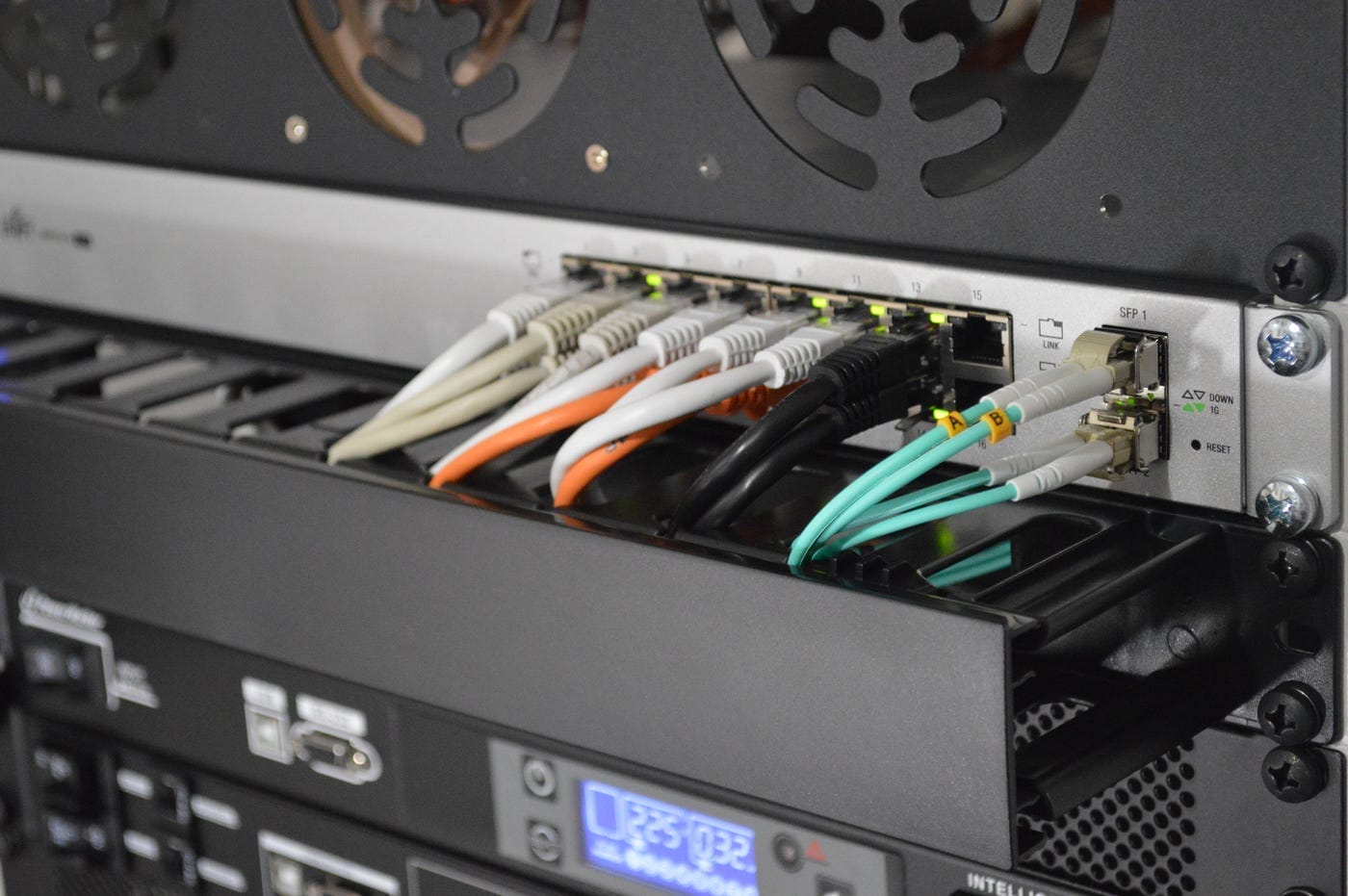
Whether you are processing high-volume orders, collaborating with a distributed remote team, or managing complex inventory systems, a bottlenecked network will throttle your productivity. That is why serious small businesses migrate toward trusted solutions. At Link US Online, operating out of Research Triangle Park, NC, since 2011, we have seen how the right “iron” in your server rack saves hours of troubleshooting and eliminates the “constant tech headache” tax.
Key Takeaways
- Operational Uptime: Cisco network hardware delivers enterprise-grade reliability that virtually eliminates costly mid-day outages.
- Integrated Defense: Built-in security protocols act as a front-line shield against increasingly sophisticated cyber threats.
- Future-Proof Scaling: Modular designs allow you to expand your port count and bandwidth without ripping and replacing existing infrastructure.
- Streamlined Control: Modern cloud-management tools make high-level networking accessible, even for businesses without a dedicated “server room” guru.
- Industry Authority: While brands like Meraki, Aruba, HPE, and Ubiquiti have their place, Cisco remains the benchmark for long-term ROI.

Why Is Built-In Security Non-Negotiable For Your Data?
Cybersecurity is no longer a “big company” problem; small businesses are the new favorite target for low-effort exploits. This is where the engineering behind Cisco network hardware truly justifies the investment. Most Cisco devices ship with integrated security layers—firewalls, intrusion prevention, and malware blockers—baked directly into the silicon.
If your business handles sensitive customer files, credit card processing, or proprietary internal documents, you cannot afford a “plug-and-play” security posture.
The Integrated Defense Cluster:
- Perimeter Firewalls: Automatically scrubbing incoming traffic for known malicious signatures.
- Intrusion Prevention Systems (IPS): Identifying and neutralizing active threats before they reach your workstations.
- Encrypted VPNs: Allowing your remote workers to tunnel into the office securely without exposing your data to the open web.
What Makes Cisco Hardware Scalable For Expanding Teams?
The network you need for five employees is a far cry from the one you’ll need for fifty. One of the primary advantages of the Cisco ecosystem is its modularity. You can start with a compact setup and expand your footprint as your headcount grows, ensuring your Cisco network hardware investment retains its value over a five-to-ten-year horizon.
At Link US Online, we specialize in helping businesses “over-spec” for the future without overspending today.
The Growth Roadmap:
- User Density: Easily add stackable switches to increase your physical port count.
- Device Integration: Connect everything from VOIP phones to smart warehouse scanners without losing speed.
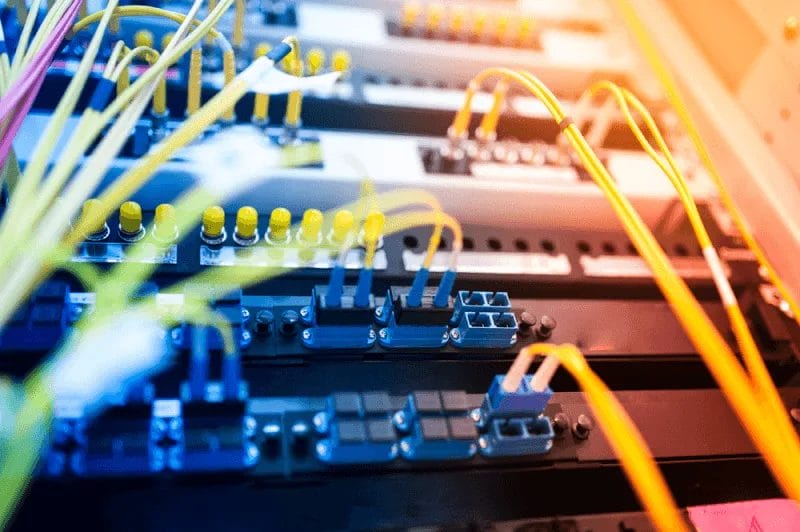
- Bandwidth Expansion: Upgrade your SFP modules to handle 10Gbps fiber links as your data needs skyrocket.
What Are The Essential Components For A Modern Network?
Not every business requires a massive server rack, but every business requires a balanced architecture. Cisco provides a broad spectrum of hardware that allows you to customize your stack based on your specific industry demands, whether you’re a high-tech retail shop or a heavy-duty warehouse.
At-A-Glance: Comparing Enterprise Hardware Options
| Brand | Best For… | Key Advantage |
| Cisco | Total Reliability & Scale | The “Gold Standard” for long-term stability and support. |
| Meraki | Ease of Use | 100% cloud-managed; perfect for lean IT teams. |
| Ubiquiti | Budget-Conscious | High visual appeal with lower entry costs for basic setups. |
| Aruba/HPE | Wireless Density | Strong focus on high-density mobile environments. |
Putting Your Cisco Strategy Into Motion
Selecting the right infrastructure can feel like a high-stakes gamble, but it doesn’t have to be. If your objective is to keep your operation running at full throttle while protecting your data and preparing for a 20% or 50% increase in staff, Cisco is the most practical choice on the market.
At Link US Online, we have been the “boots on the ground” for businesses since 2011. Based in the heart of Research Triangle Park, NC, we cut through the marketing fluff to get you the hardware that actually moves the needle for your business. Call us at (919) 825-0900 today.

Frequently Asked Questions
Q: Is Cisco network hardware actually viable for a small company?
A: Absolutely. While Cisco is famous for powering huge corporations, their small business lines (like the CBS or Meraki series) offer the same “Master Craftsman” reliability at a price point that fits a growing budget.
Q: Is the upfront cost of Cisco equipment too high?
A: While you might pay more than a consumer-grade router from a big-box store, the “total cost of ownership” is usually lower. You save money by avoiding the downtime, security breaches, and frequent replacements that plague cheaper hardware.
Q: Do I need a certified engineer to run Cisco gear?
A: Not anymore. With the rise of cloud-managed platforms like Meraki and Cisco Business Dashboard, much of the heavy lifting is automated or simplified into a user-friendly interface.
Q: How does Cisco compare to brands like Ubiquiti?
A: Ubiquiti is great for basic, budget-friendly setups, but Cisco network hardware wins on technical support, long-term security patching, and the ability to handle complex, high-traffic enterprise environments without breaking a sweat.
Q: Can I mix Cisco equipment with other brands?
A: Yes. Cisco follows global networking standards, meaning a Cisco switch will talk to an Aruba access point or an HPE server without issue. However, staying within the Cisco ecosystem often allows for better cross-device visibility and management.
