
Computer Equipment, Computer Hardware
Where Should You Buy Computer Hardware?
Dec
If you’re trying to buy computer hardware that you can rely on, check out a distributor that handles everything from sourcing to shipping — you might save time, money, and a lot of stress. In this post, let’s take a look at the most popular options, balance their advantages and drawbacks, and help you make your choice based on what’s more important for you — whether it’s cost, reliability, or warranty.
Key Takeaways
- Although online stores are traditionally cheaper and more convenient, they may not provide expert services tailored to businesses.
- Buying directly from the manufacturer ensures authenticity and warranty support — though availability and lead times may be shorter.
- Local brick‑and‑mortar shops provide immediate availability and hands‑on inspection, but inventory is limited and product variety may be lacking.
- Be sure to consider total price, warranty, support, shipping times and who you are dealing with before hitting the buy button.
Table of Contents
Online Retail Stores: Convenience and Variety
If you’re after convenience, online retail stores are hard to beat. Sites that specialize in electronics or computer parts often stock a wide range of hardware — from routers and switches to servers and access points. Shopping online gives you easy access to global inventory, price comparisons across multiple sellers, and doorstep delivery.
That said, there are drawbacks. There’s always a chance of receiving grey‑market parts, which might lack warranty support or firmware updates. Shipping costs and duration may vary widely, and returns can be a hassle. If you represent a business and need to buy computer hardware, the impersonal nature of retail marketplaces may not meet your needs.
Specialized IT Distributors: The Middle Ground
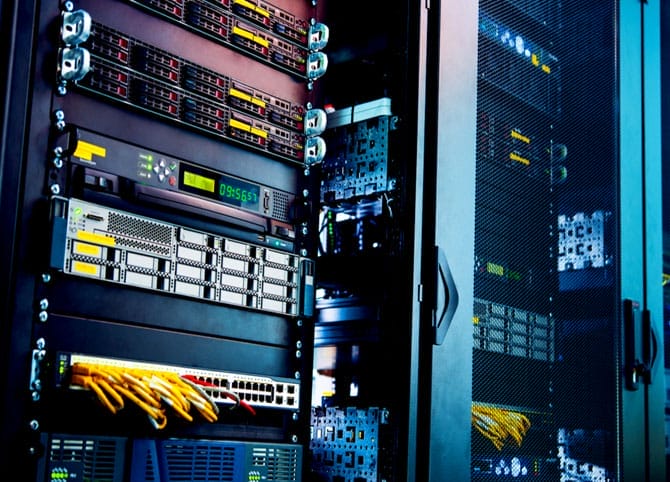
This is where distributors like Link US Online come into play. Since 2011, Link US Online has focused on sourcing hardware from trusted manufacturers (Cisco, Meraki, HPE, Ubiquiti, and more) and supplying them across the nation. Based in Research Triangle Park, North Carolina, we provide clients — whether small businesses or large enterprises — with a streamlined way to get the networking gear they need without compromising on authenticity or warranty support.
Why a distributor can be the sweet spot
- Bundle purchases: If you need multiple units (switches, routers, cables, etc.), a distributor often offers better pricing or volume discounts than retail stores.
- Verified authenticity: Parts come directly from known manufacturers or authorized channels — reducing the risk of grey‑market or counterfeit items.
- Support and expertise: Distributors familiar with enterprise networking can advise you on compatibility, licensing, and deployment — something general retailers usually don’t offer.
- Faster procurement for business clients: Since Link US Online already works with manufacturers, lead times tend to be shorter than going direct for large orders.
If you’re a business or even a serious home‑lab enthusiast, distributors often hit the sweet spot between cost, reliability, and convenience.
Local Brick‑and‑Mortar Computer Shops
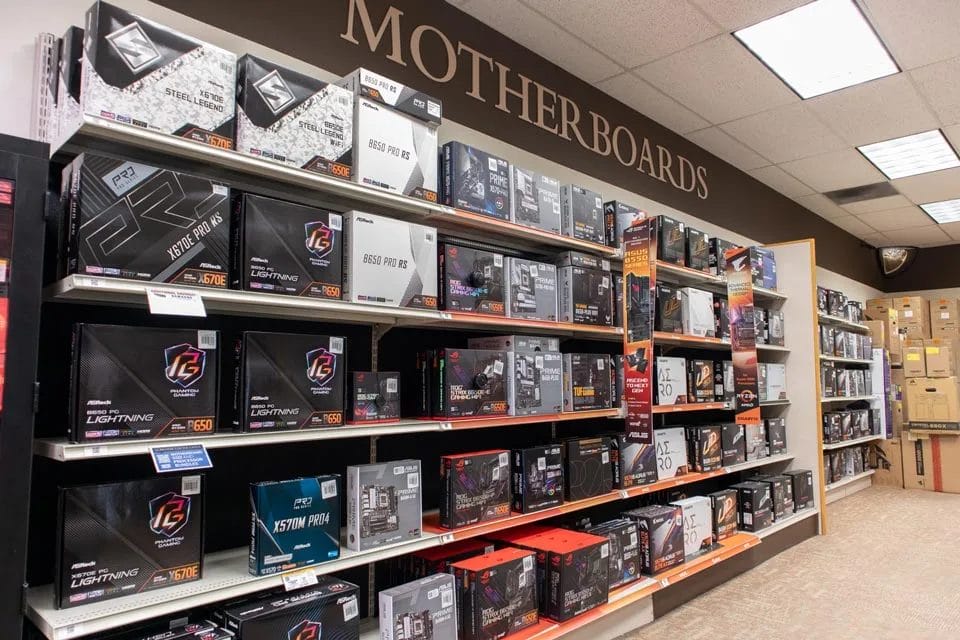
For some, there’s still value in purchasing hardware from a local computer store — particularly if you want to see the hardware before buying it, need something right away or just prefer to get help from someone standing in front of you. Local stores can be particularly convenient if you only need a few items, such as cables and small switches or accessories.
But local stores seldom compete with distributors or online retailers in terms of stock selection, quantity orders or enterprise-level equipment. Pricing may also be higher because there are retail shops locally stocking lower quantities. If you’re going this route, it’s great for small, quick buys — but might not work out so well for big picture or long-term infrastructure needs.
How to Choose — What Matters Most When Buying Hardware
There’s no one-size-fits-all answer. Instead, base your decision on what you value most. Here are factors to consider:
- Authenticity and Warranty: Buy computer hardware directly from the manufacturer or a reputable vendor? Is support included?
- Price vs. Cost: Consider more than just sticker price — account for shipping, possible returns, setup, and licensing costs, if required.
- Availability and Time: Are you in search of hardware right now, or can you allow a manufacturer a few weeks to fulfill your order?
- Scalability and Future Planning: If you expect to be expanding the network, it might be a good idea to go with a source that can scale (bulk orders, consistent batches of hardware, spares).
- Business vs. Personal Use: In the enterprise, reliability and support generally trump cost. For home use, time and cost may be the most important factors.
Final Thoughts
So, where should you buy computer hardware? If you value authenticity, support, and cost effectiveness — especially for serious networking equipment — a trusted distributor like Link US Online is often the smartest choice. For quick buys or small items, online retail or local stores might do the trick. Just be cautious with used gear — it’s tempting, but it comes with risks.
If you’re ready to get reliable hardware without the uncertainty, feel free to contact us at (919) 825-0900. At Link US Online, we’ve built our reputation on making hardware procurement simpler for businesses and professionals alike.
Frequently Asked Questions
Is it safe to buy computer hardware from online marketplaces?
Yes — but buy only from well-rated, reputable sellers and with clear warranty and return policies. Stay away from sellers with no feedback or vague descriptions in general if you are looking at anything enterprise-grade.
Can refurbished or used hardware be good for a production network?
It’s risky. Second-hand equipment can also come with no warranty, firmware or license. It’s better for home labs or testing, not important production ones.
Why should I use a distributor instead of going straight to the manufacturer?
Distributors typically provide bulk pricing, quicker access, verified authenticity, and specialized support — plus none of the lead-time delays or premiums you sometimes see with manufacturer-direct orders.
How do I know a vendor is trustworthy?
Seek visible purchase history, written warranties, responsive support and knowledge of enterprise networking requirements. Great vendors also counsel on licensing, compatibility and scalability.
What should I check before buying computer hardware?
Verify authenticity, warranty terms, firmware or license dependence, cost — including shipping and support costs — and vendor reputation.
