
Network Hardware, Network Infrastructure Devices, Network Switch
Are Network Edge Devices Worth the Investment?
Jun
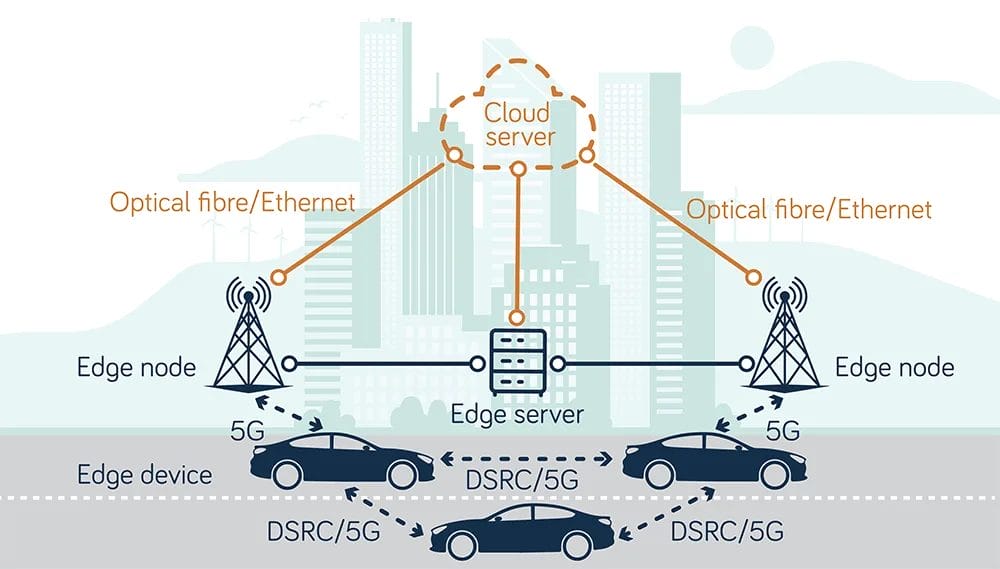
As fields like advanced automation and remote operations speed up, the pressure for raw network speed and zero-lag connections is hitting a boiling point. Network edge devices keep your operations from choking by processing and hammering out data routing right where the work gets done, rather than dumping all that raw traffic into a distant cloud server. From rugged field routers and on-site switches to thousands of warehouse IoT sensors, these pieces of hardware sit on the absolute frontline of your infrastructure to squeeze out latency, harden entry points, and keep remote apps running smoothly.
So, do you actually need to burn budget on dedicated network edge devices? If you ask any field engineer dealing with data bottlenecks, the answer is a flat yes. Putting smart hardware on the perimeter cuts down data travel time, walls off security threats before they breach your interior, feeds local compute clusters, and makes sure your field staff isn’t staring at spinning loading wheels during critical operations.
Key Takeaways
- Local Traffic Control: Field-level routers handle data sorting right where your machines or staff sit, keeping core lines clear.
- Lag Elimination: Cutting the physical distance data travels drops response times down to milliseconds for real-time applications.
- Endpoint Support: Edge architecture acts as the staging ground for thousands of local IoT sensors and smart field assets.
- Deployment Hurdles: Scaling up distributed hardware demands strict configurations to handle security, protocol matching, and remote oversight.
- Bottom-Line Efficiency: Processing data locally strips down your outbound bandwidth consumption and slashes recurring cloud transit bills.
GET YOUR FREE QUOTE NOW!

What Exactly Is the Perimeter Layout?
The edge represents the physical boundary line where your local field hardware connects to the wider web or corporate core. It is where your field crews, machinery, and remote software actively spit out or consume data.
We are talking about real, physical field hardware:
- Heavy-duty industrial routers
- High-volume cell modems
- Rugged wireless access points
- IoT gateway modules
- Smart security firewalls
- Branch office distribution switches
Traditional vs. Modern Perimeter Gear
| Management Feature | Traditional Fixed Hardware | Modern Cloud-Managed Edge |
| Scaling Velocity | Requires manual rack swaps and custom wiring jobs | Virtual license upgrades and instant software provisions |
| Control Oversight | Localized CLI configuration per individual device | Centralized multi-tenant dash with global policy pushes |
| Threat Defense | Standard static ACLs and basic external firewalls | Live zero-trust access, deep packet scans, and auto-isolation |
| Path Selection | Rigid, pre-configured static routing routes | Smart SD-WAN paths that shift based on real-time line health |
How Your Enterprise Benefits from Hardened Boundary Gear
Investing in robust infrastructure gear pays dividends that go way beyond simple speed bumps on a spec sheet.
Tangible Field Advantages:
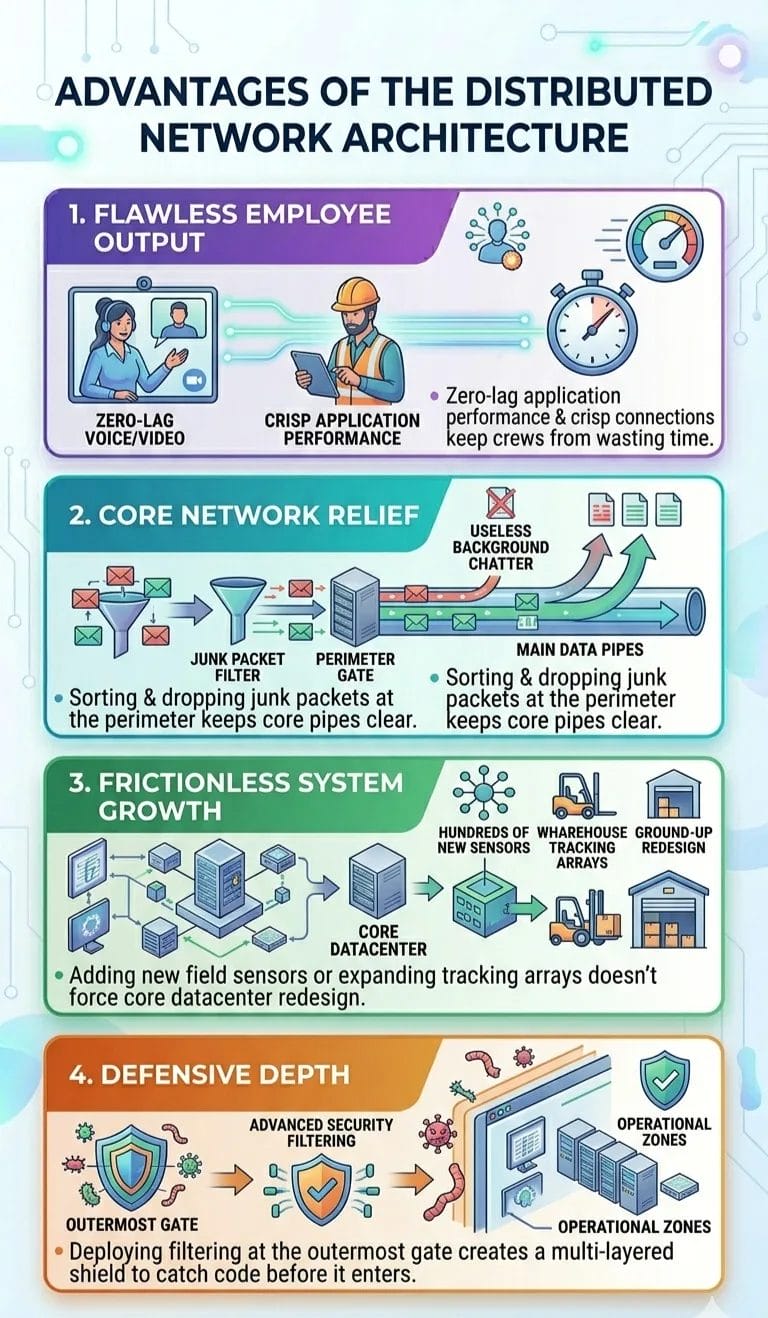
- Flawless Employee Output: Zero-lag application performance and crisp voice/video connections keep your remote crews from wasting time wrestling with dropping connections.
- Core Network Relief: Sorting and dropping junk packets at the perimeter means your main data pipes aren’t bogged down by useless background chatter.
- Frictionless System Growth: Adding hundreds of new field sensors or expanding warehouse tracking arrays doesn’t force a ground-up redesign of your core datacenter.
- Defensive Depth: Deploying advanced security filtering at your outermost gate creates a multi-layered shield that catches malicious code before it can crawl inside your operational zones.
At Link US Online, we specialize in helping industrial and corporate teams source the exact, heavy-duty hardware required to build out these environments without blowing past their budget metrics. Operating straight out of Research Triangle Park, NC since 2011, our field team specializes in sourcing rock-solid, fully verified IT assets from the names the trade trusts most—including Cisco, Meraki, Aruba, HPE, and Ubiquiti. Securing the right hardware foundations makes all the difference between a constant network headache and a scalable, bulletproof perimeter.
GET YOUR FREE QUOTE NOW!
Putting Your Edge Networking Strategy into Motion
Hardening your organizational footprint requires a cohesive strategy—blending smart hardware selection, tight perimeter security policies, automated failover paths, and centralized dashboard management. When you deploy these tools properly, you build a resilient foundation that handles heavy data loads without breaking a sweat. Partnering with a proven hardware supplier ensures your routers, switches, and access points are perfectly matched to your physical environmental demands.
Ready to scale up your infrastructure? Contact Link US Online at (919) 825-0900 to source your network edge devices today to get clean, no-nonsense hardware sourcing and clear deployment options for your enterprise.
Frequently Asked Questions
Q: What are network edge devices in plain trade terms?
A: They are the physical pieces of hardware that sit at the outermost boundary of your network to handle incoming and outgoing data. This category covers standard branch routers, distribution switches, wireless access points, network security appliances, cellular modems, and industrial IoT gateways.
Q: Why can’t I just route everything through a standard central core switch?
A: Routing all raw data traffic back to a single central hub creates massive latency and clogs up your internal bandwidth. If every local transaction or sensor ping has to travel hundreds of miles back and forth, your remote apps will lag out, and your core internet pipes will choke during peak operational hours.
Q: What is the practical difference between the network edge and edge computing?
A: The network edge is all about where the physical connectivity happens, while edge computing focuses on where the actual data processing occurs. The network edge uses routers to move and protect packets, whereas edge computing uses on-site server chips to run heavy software apps and database scripts locally.
Q: Can deploying modern network edge devices actually improve my site security?
A: Yes, modern perimeter hardware acts as your first line of defense against outside cyber threats. Vetted edge units come packed with advanced features like real-time packet inspection, automated threat isolation, segmented guest networks, and encrypted tunnels that stop attacks before they ever reach your interior servers.
Q: Are dedicated network edge devices worth the cost for smaller warehouse operations?
A: Absolutely. Small operations running cloud inventory tools, local security cameras, or remote office links see immediate boosts in reliability and speed. Putting a smart, dedicated gateway in place stabilizes your app connections and walls off your critical business data from basic security failures.
Q: What hardware brands dominate the edge networking field?
A: The industry standards for reliable, field-tested edge gear are Cisco, Meraki, Aruba, HPE, and Ubiquiti. Each vendor offers distinct layouts—ranging from Meraki’s dead-simple cloud dashboards to Cisco’s deep, highly configurable enterprise routing platforms built for heavy data environments.
GET YOUR FREE QUOTE NOW!
