
Computer Hardware
Mistakes to Avoid When You Sell Used Computer Equipment

Nov
At Link US Online, based out of Research Triangle Park, NC, we’ve been helping businesses nationwide source and sell used networking and IT gear since 2011. Let’s get straight to the point: you want to sell used computer equipment with minimal headaches and the maximum return.
Selling used computer equipment can sound straightforward—but it often isn’t. If you’re getting ready to sell used computer equipment, you might be wondering what could go wrong and how to make sure you get the best value.
Here are some of the most common mistakes people make when they sell used computer equipment—and how you can avoid them.
Key Takeaways
- Don’t rely on just one buyer; multiple quotes help you compare value and service.
- Provide full, accurate documentation of your gear (make, model, specs, condition) when you sell used computer equipment.
- Use clear photographs, including product/serial numbers, to support your listing and build trust.
- Keep equipment intact when possible (don’t strip parts that reduce resale value) to sell used computer equipment profitably.
Table of Contents
Mistake #1: Only Contacting One IT Buyer
When you’re looking to sell used computer equipment, it can be tempting to pick one company and go with it—just to make the process easy. But that simplicity can cost you. Even if you’re primarily concerned with the dollar amount, you’ll want to cast a wider net.
Wholesalers of enterprise equipment (servers, storage arrays, networking gear) each have different resale channels—and one buyer might value your items much less than another.

Mistake #2: Failure to Provide Proper Documentation
It’s critical to let the buyer know exactly what you’re selling when you sell used computer equipment. Many sellers only know what they own—not the full story of its variations. But even parts that look the same often come in many versions—and those differences affect price.
Don’t just say “server rack.” Include make, model, part number, revision number, number of drives/SSDs, memory installed, network interface types, etc. The more informed you are, the more accurate your quote will be—and the fewer surprises you’ll face when you sell used computer equipment.
Mistake #3: Relying On Just Pictures Or Missing Product Numbers
Photos are helpful—and in many cases required—when you sell used computer equipment. They help identify the gear and condition. But don’t skip the small details: product numbers, revision codes, serial numbers. They matter. People often mis‐record these, and a single letter or number off can lead to wasted time or value adjustments.
Take clear pictures of the unit, label plates, product, or part number stickers. This way, you protect yourself and make the process smoother. If the buyer later says, “We adjust value because the part number doesn’t match,” you’ll have your own proof. When you sell used computer equipment, these details build trust.
Mistake #4: Separating Parts That Are Better Sold Together
Here’s one you might not have considered: when you sell used computer equipment, sometimes you reduce value by breaking things apart. Some equipment combinations are more attractive bundled. Example: hard drives in their caddies; NAS or SAN units with drive trays intact. Even if individual parts have value, the full module might fetch more.
Mistake #5: Stripping Servers or Other Equipment for Parts
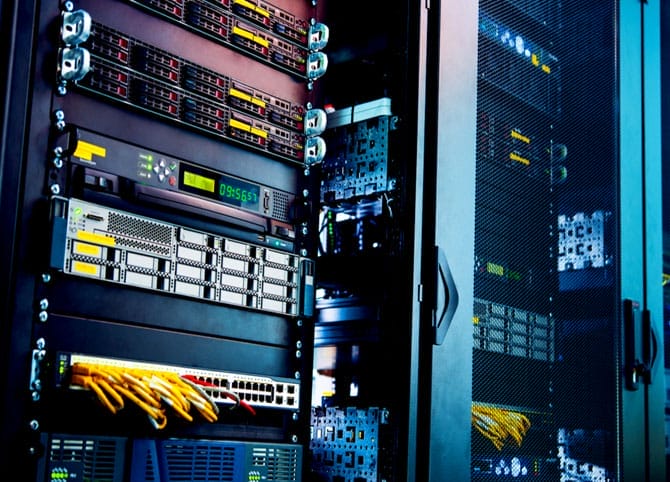
You might think: “I’ll pull out the best parts, sell the bits, and get more money.” But when you sell used computer equipment, stripped servers often have little to no real value on the second‑hand market. Someone else wants something they can plug in and power up quickly. A bare chassis or missing parts may become scrap.
Mistake #6: Hiding Equipment Flaws or Lying About Condition
Here’s a big one: you can sell used computer equipment even if it’s broken—but you have to tell the buyer. Almost all professional IT asset‑disposition firms will verify functionality before reselling. If you hide damage or flaws, you risk value reductions, rejection, or worse, a damaged relationship.
Mistake #7: Improper Packaging Leads to Damaged Equipment
Even if your equipment worked perfectly, poor packaging can ruin a deal when you sell used computer equipment. Many folks think “it’s just going in a box,” but shipping sees more abuse than you expect: drops, stacking, vibration. Use original packaging if you have it. Even better: use trays, foam inserts, protect RAM, CPUs, drives—don’t just drop components in a box.
Imagine shipping a server without proper padding—if it arrives damaged, your value drops. Insure the shipment if possible. Once it’s broken, it may become scrap. The best return happens when the gear arrives in the same condition it left. That’s how you maximize what you get when you sell used computer equipment.
Selling Your Used Computer Equipment the Right Way
When you avoid these common—but major—mistakes, you set yourself up for a successful transaction. You’ll make money, clear space, and improve your bottom line. At Link US Online, our goal is to help you turn old gear that was an expense or a liability into cash—so you can upgrade your infrastructure or reallocate funds to higher‑value projects.
When done properly, IT asset‑disposition (ITAD) isn’t just about disposal—it’s about value recovery. If you’re ready for a quote on selling your IT equipment, or you’d like help planning your next project, we’re here. You don’t have to contact us—but if you want expert help, reach out to Link US Online at (919) 825‑0900.
Frequently Asked Questions
What types of equipment can I sell used computer equipment for?
Virtually anything you’d find in a data‑center refresh or network upgrade: servers, storage arrays, networking switches and routers (Cisco, Juniper, Aruba, Meraki, HPE), hard drives/SSDs, RAM, even racks and accessories.
How should I prepare my gear when I sell used computer equipment?
Document fully (make, model, part number, revision, condition), take clear photos (including part numbers/serials), ensure items are clean and intact, and package securely for shipping.
How much value can I expect when I sell used computer equipment?
It depends on age, condition, market demand, specs, and completeness. Equipment with recent specs and intact configuration will fetch more. Getting multiple quotes helps you know your fair market value.
Can I sell broken or damaged computer equipment?
Yes—some buyers accept non‑working gear, but you must disclose damage or malfunction. Undisclosed flaws reduce value or result in rejection. Being upfront increases trust and value.
What common pitfalls should I avoid when I sell used computer equipment?
Avoid relying on only one buyer, don’t provide incomplete documentation, don’t separate parts incorrectly, don’t misrepresent condition, and don’t skimp on packaging. Each of those can reduce your return significantly.
